
Acoustic Testing and BIM Coordination
We integrate physical on-site acoustic measurements directly into coordinate-accurate MEP models. This eliminates structural clashes and guarantees acoustic compliance before fabrication begins.
Our Physical to Digital Process
On-Site Diagnostics
Acoustic Modeling
MEP BIM Integration
We deploy calibrated sound level meters and tapping machines to capture real-world reverberation times and structural impact noise directly from the physical job site.
Field data is imported into acoustic simulation engines to calculate precise partition mitigation, wall assemblies, and silencer requirements for the mechanical systems.
Mitigation designs are embedded into the coordinated Revit model, ensuring HVAC, plumbing, and fire protection layouts accommodate all acoustic treatments without space conflicts.
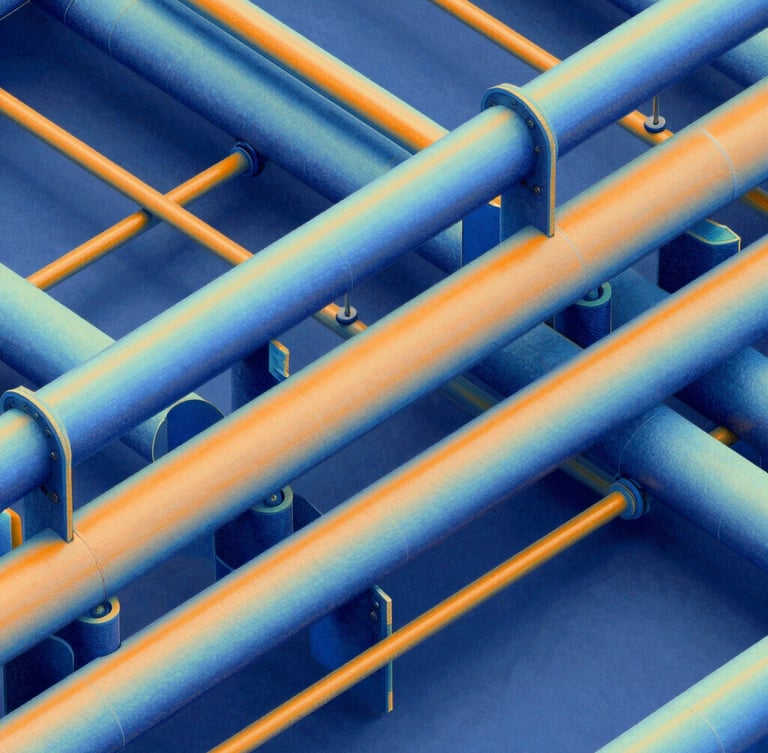
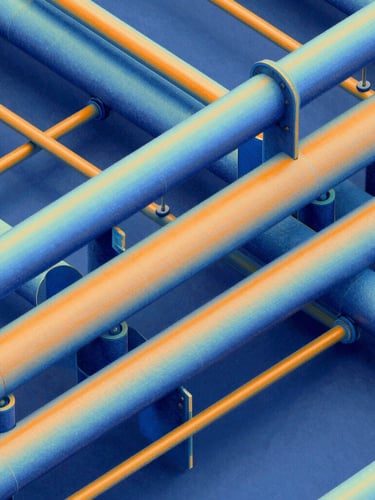
Zero-Tolerance Clash Detection
By overlaying acoustic insulation profiles onto mechanical, electrical, and plumbing routing, we identify spatial conflicts in the digital model. This process prevents expensive field modifications and structural penetrations.
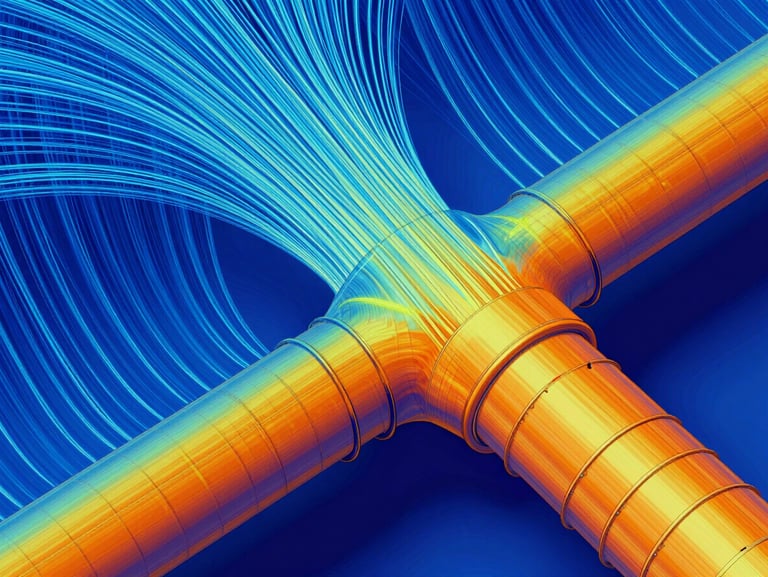
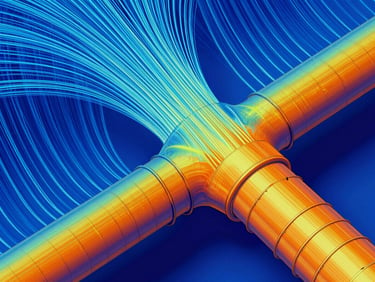
Rigorous CFD Simulation Runs
We execute high-fidelity computational fluid dynamics to map airflow velocities and pressure drops. Every ventilation layout is mathematically validated against regional noise criteria and environmental standards before sign-off.